Preparing Your HMIS Data for Federal Reporting
Federal Projects are just around the corner. The Longitudinal System Analysis and the System Performance Measures kick off in autumn. They are followed by the Point-in-Time Count in January, which precedes the bulk of the work done on the Housing Inventory Count. Learn how you can make your data in HMIS the best it can be.
September is here, which means schools have started, leaves are starting to change color, and the air is starting to feel crisp again. For HMIS, September is a time to start thinking about the upcoming federal reporting season. The Longitudinal System Analysis and the System Performance Measures kick off in autumn. They are followed by the Point-in-Time Count in January, which precedes the bulk of the work done on the Housing Inventory Count.
It marks a time when the data in HMIS can help to inform you what is happening at your agency, what is happening in your CoC, and what is happening in the state and country. It’s important that the data quality in HMIS is as good as it can be. While data quality is important all year, this is an excellent time to do a solid review of the data your agency stores in HMIS.
Here is the approach we suggest:
Step 1
Get familiar with Data Checkers. They are the first step for addressing data issues.
https://hmismn.helpscoutdocs.com/article/2973-what-you-need-to-know-about-data-checkers
Step 2
Run the First Stop Data Checkers for each program your agency maintains.
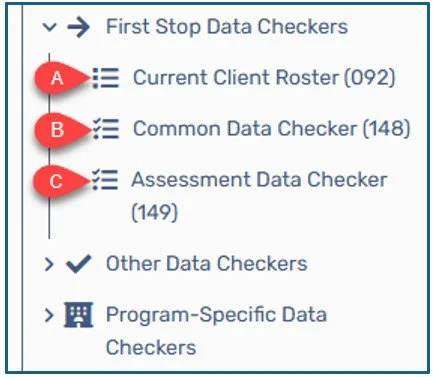
Run the Current Client Roster for a few different dates in the 2026 Federal Fiscal Year. For example, you could try 31 December 2025, 30 April 2026, and 31 August 2026. Confirm the right clients are enrolled in your project. If needed, you can exit clients from their enrollment within the data checker.
Next, run the Common Data Checker for the 2026 Federal Fiscal Year (1 October 2025 to 30 September 2026) to find any missing common information for your clients. This includes data in your client's HMIS profile and one-time questions, such as disabling conditions, prior residence, and so on.
Finally, run the Assessment Data Checker for the 2026 Federal Fiscal Year (1 October 2025 to 30 September 2026). It will help you review additional data elements, such as health insurance, income, and so on.
Step 3
There are more data checkers you can run to give you a better sense of your projects’ data quality. You can learn more about them here:
Step 4
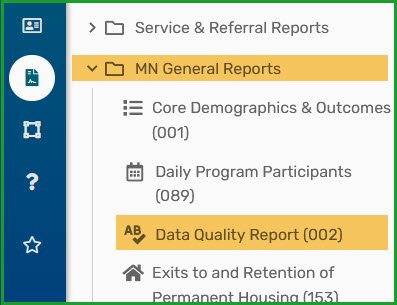
Run the Data Quality Report. This can be run for multiple projects at once. It can give you a good look at how usable your data is.
Taking steps now, in September, and using the data checkers regularly can greatly improve the data quality for your programs. Higher data quality not only makes federal reporting season a bit smoother but also makes the details about a person’s struggles with homelessness clearer. Better data quality can lead to better solutions for the client.